
How to Rent Out Your Trailer (Step by Step)
That trailer sitting in your side yard is one of the easiest assets to turn into income. Utility trailers, dump trailers, car haulers, and enclosed trailers are in constant demand from homeowners, landscapers, and small...
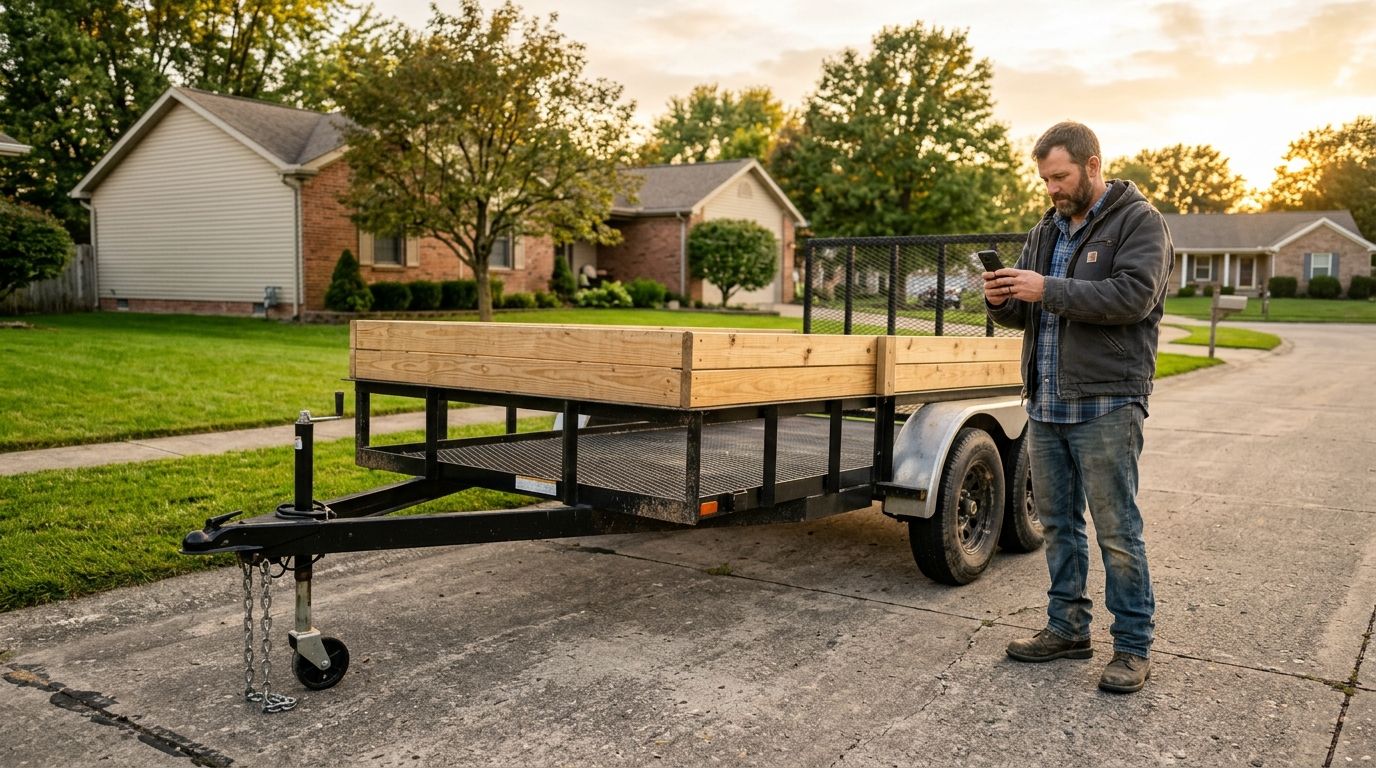
To rent out your trailer: get it road-ready with good tires, lights, and bearings, take 8 to 10 clear photos, set a daily rate based on local comps, use a written rental agreement, confirm insurance coverage with your agent, and list it free on BigLoads. Screen renters before handoff, photograph the trailer at pickup and return, and answer inquiries fast. Slow replies are the top reason owners lose bookings.
That trailer sitting in your side yard is one of the easiest assets to turn into income. Utility trailers, dump trailers, car haulers, and enclosed trailers are in constant demand from homeowners, landscapers, and small contractors who need one for a day or a weekend. The good news is that renting out a trailer is simple once you set it up right. Here is the full process, step by step, from getting the trailer road-ready to handing over the coupler to your first renter.
Step 1: Get Your Trailer Rent-Ready
Before anyone tows your trailer, it needs to be safe and legal. A renter who breaks down on the highway with your plate on the back is your problem, not theirs. Run through this checklist first:
- Tires and spare: Check tread depth, sidewall cracking, and pressure. Trailer tires age out before they wear out. Include a mounted spare if you have one.
- Lights and wiring: Plug it into your truck and confirm running lights, brake lights, and turn signals all work. Burned-out trailer lights are the number one reason renters get pulled over.
- Bearings and axles: Repack or at least inspect wheel bearings if it has sat for a season. A seized bearing on a rental is an expensive phone call.
- Coupler, chains, and jack: Make sure the coupler latches cleanly, safety chains have working hooks, and the tongue jack cranks smoothly.
- Registration and plate: Current registration, legible plate, and a copy of the registration you can hand the renter.
- Clean it: Sweep the deck, knock off the mud, touch up rust. A clean trailer photographs better and renters treat clean equipment with more respect.
Step 2: Take Photos That Get Clicked
Renters scroll fast. Your photos decide whether they open your listing or the next one. You do not need a professional camera. A phone in good daylight does the job. Aim for 8 to 10 shots:
- A clean three-quarter front angle as the main photo, whole trailer in frame, no clutter behind it
- Straight-on side view showing the full length
- The deck or interior from above or from the rear gate
- The coupler and ball size, so renters know what hitch they need
- The ramp or gate in the down position
- Tires and fenders up close
- The VIN plate or spec sticker showing weight ratings
- Any extras that come with it, like straps, a spare, or a winch
Shoot in the morning or late afternoon so the light is soft. Avoid night shots, blurry shots, and photos with trash cans or half the garage in the background.
Step 3: Set Your Rental Price
Price against your local market, not against a guess. Search what similar trailers rent for in your area, check the big rental counters for a ceiling, and position just under them with the advantage of being closer and more flexible. Factor in your trailer type, condition, weight rating, and extras. Offer a daily rate plus discounted weekly and monthly rates to attract longer bookings. We wrote a full breakdown of comps, rate structure, deposits, and seasonal pricing in our guide on how to price your trailer rental. Start there, then adjust after your first few rentals based on how fast inquiries come in.
Step 4: Put It in Writing With a Rental Agreement
Never hand over a trailer on a handshake. A one-page rental agreement protects both sides and makes every expectation clear before the trailer leaves your driveway. Yours should cover:
- Names and ID: Full legal names, phone numbers, and a copy or photo of the renter’s driver’s license.
- Dates and rate: Pickup date, return date, daily rate, and the late fee if it comes back late.
- Security deposit: Amount, what it covers, and when it gets returned.
- Damage responsibility: Who pays for flat tires, bent fenders, lost straps, and anything beyond normal wear.
- Tow vehicle requirements: Minimum tow rating, required ball size, and working trailer light hookup.
- Use restrictions: No overloading past the rated capacity, no off-road abuse, no subletting to someone else.
Have both parties sign before pickup. A photo of the signed page on your phone is fine. The point is that nothing is a surprise later.
Step 5: Handle Insurance and Damage Up Front
Insurance is where most new owners have questions, so settle it before your first rental. In most states, liability coverage follows the tow vehicle, which means the renter’s auto policy generally covers damage the trailer causes to others while it is hitched and being towed. That still leaves damage to the trailer itself, which is where your agreement, your deposit, and your own coverage come in. Call your insurance agent, tell them you plan to rent the trailer out, and ask what they will and will not cover. We break down typical policy types and real cost ranges in our guide to trailer rental business insurance costs. Ten minutes on the phone with your agent now beats an ugly argument after a bent axle.
Step 6: List Your Trailer on BigLoads
Once the trailer is ready, photographed, and priced, put it in front of renters. On BigLoads, listing a trailer is free. There are no booking fees and no commission taken from your rentals. Renters find your listing, contact you, and you deal direct. You keep every dollar you charge. Create your listing at bigloads.com/list-your-trailer, add your photos, set your rates, and write a short honest description that mentions the trailer type, size, weight rating, and required ball size.
Owners who want more visibility can upgrade to the Haul Star membership, which shows your phone number and contact details directly on your listing so renters can call or text you on the spot, adds a verified badge, and gives your listing priority placement. Free listings still get inquiries through the BigLoads inbox, so you can start at zero cost and upgrade when the demand justifies it. It also helps to browse trailers listed for rent near you to see how other owners in your area present and price theirs.
Step 7: Screen Renters Before You Hand Over the Coupler
A five-minute conversation filters out ninety percent of problems. Before you confirm a booking, ask:
- What are you hauling, and roughly how much does it weigh?
- What are you towing with, and what is its tow rating?
- What size ball do you have, and does your vehicle have a working trailer light plug?
- Have you towed a trailer this size before?
Vague answers on weight or tow vehicle are a red flag. At pickup, check their driver’s license against the name on the agreement and snap a photo of it along with their tow vehicle and plate. Honest renters expect this. The ones who push back are the ones you just avoided.
Step 8: Nail the Handoff and the Return
Condition disputes are won and lost with documentation. Build a simple routine and repeat it every single rental:
- Walk around the trailer together at pickup and take 10 to 15 timestamped photos: all four corners, the deck, the tires, the lights, the coupler.
- Watch them hitch up. Confirm the coupler is latched, chains are crossed and hooked, and lights work before they pull away.
- Note the agreed return time and where the trailer should be parked.
- At return, do the same walkaround with fresh photos before you hand back the deposit.
- Check tires, lights, deck, and gate hinges while they are still standing there, not after they leave.
If something is damaged, the before-and-after photos settle it in minutes instead of turning into a he-said-she-said fight.
Answer Messages Fast or Lose the Booking
Here is the part most owners get wrong. A renter who needs a trailer for Saturday is messaging three or four owners at once, and the first one to answer usually gets the booking. An inquiry that sits unanswered overnight is a booking that went to someone else. Treat every message like a customer standing at your counter. Reply within the hour when you can, even if the answer is just a quick confirmation of availability and pickup time. BigLoads lets you opt in to text alerts in your account contact settings so new inquiries hit your phone instead of sitting in an inbox you forgot to check. Fast, friendly replies also earn repeat renters, and repeat renters are the easiest money in this business.
What Can You Actually Earn?
Earnings depend on your trailer type, your local demand, and how many days a month it goes out. A trailer that rents even a handful of days per month can cover its insurance and maintenance and put real money on top. We put the full numbers, including realistic utilization rates and per-type earning ranges, in our guide on whether you can make money renting out your trailer. You can also run your own numbers with the free trailer rental income calculator.
The bottom line: prep the trailer once, build your listing and agreement once, and every rental after that is a repeatable routine. Your trailer is not earning anything parked next to the fence. List it on BigLoads for free and let the renters come to you.
Related on BigLoads: trailer rental SEO: how to get found on Google.
Frequently Asked Questions
Is it free to list my trailer for rent on BigLoads?
Do I need insurance to rent out my trailer?
What should a trailer rental agreement include?
How much should I charge to rent out my trailer?
How do I screen trailer renters?
Ready to haul?
Find the right trailer near you — or list yours and start earning.