
A Comprehensive Guide to Laws for Towing a Trailer in Iowa
Introduction to Iowa Trailer Towing Laws Towing a trailer in Iowa requires understanding and adhering to several important laws and regulations. Whether you're hauling a utility trailer, boat trailer, or a car hauler,...
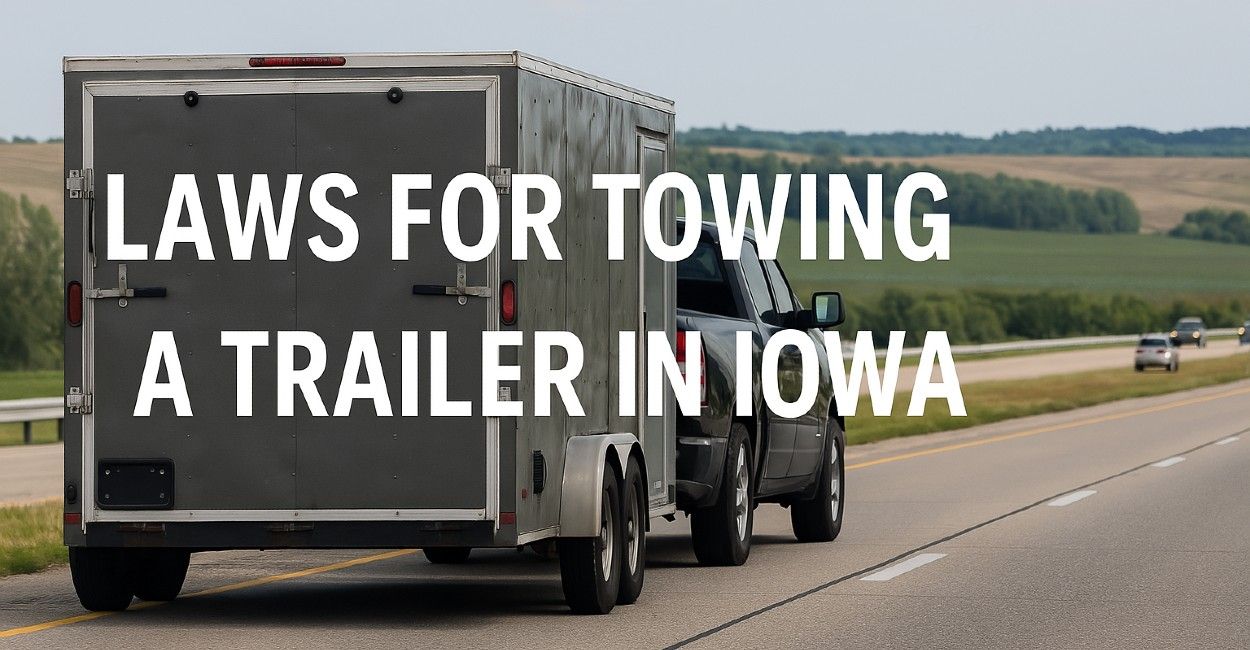
In Iowa, a standard driver's license is sufficient for most trailer towing, but a commercial driver's license (CDL) is required if the combined weight of the trailer and towing vehicle exceeds 26,000 pounds. All trailers with a GVWR over 3,000 pounds must have a functioning brake system, working lights, and safety chains, and must be registered with the Iowa Department of Transportation with a license plate clearly displayed. The general maximum weight for non-commercial trailers in Iowa is around 12,000 pounds, though specialized trailers used for construction or agriculture may qualify for higher limits under specific permits.
Introduction to Iowa Trailer Towing Laws
Towing a trailer in Iowa requires understanding and adhering to several important laws and regulations. Whether you're hauling a utility trailer, boat trailer, or a car hauler, being aware of the rules can help you stay compliant and avoid potential fines. This guide covers the essential laws for trailer towing in Iowa, providing a comprehensive overview for both novice and experienced trailer owners.
Key Regulations for Towing a Trailer in Iowa
Trailer Towing License Requirements
In Iowa, a regular driver's license is typically sufficient for towing a trailer. However, if the total weight of the trailer and the towing vehicle exceeds 26,000 pounds, you may be required to have a commercial driver’s license (CDL). Ensure that your trailer and towing vehicle are properly registered and insured to meet the state's legal requirements.
Trailer Weight Limits
The Iowa Department of Transportation (IDOT) sets specific weight limits for trailers to ensure road safety. The maximum allowable weight for a trailer is determined by the type of vehicle used for towing and the number of axles. The legal maximum weight for non-commercial trailers is generally around 12,000 pounds. However, certain specialized trailers, such as those used for construction or agriculture, may have higher limits under specific permits.
For example, trailer owners in Cedar Rapids, Des Moines, and Davenport should check with the local IDOT office for regulations that apply to their specific trailer types.
Towing Equipment and Safety Regulations
Iowa towing laws require that trailers be equipped with appropriate safety devices, including working lights, brake systems, and safety chains. All trailers over 3,000 pounds must have a braking system. Additionally, you’ll need to ensure that your trailer’s lights are in proper working order to avoid fines.
When towing, you must use safety chains to connect the trailer to the towing vehicle, especially when the trailer’s brakes are not fully functional. Trailer brakes are required on all trailers with a gross vehicle weight rating (GVWR) over 3,000 pounds.
Trailer Registration and License Plates
Before towing a trailer in Iowa, it must be registered with the Iowa Department of Transportation. This involves applying for a trailer license plate and paying the appropriate fees. The license plate must be clearly displayed on the trailer, and owners must renew their registration annually. Towing a non-registered trailer can lead to fines and penalties.
Common Trailer Towing Scenarios in Iowa
Towing a Boat Trailer
In Iowa, boat trailers are among the most common types of trailers on the road. The same trailer weight limits apply to boat trailers, but it’s important to ensure that the trailer is equipped with proper lights and braking systems for safe transport. Boating enthusiasts in Iowa City or Dubuque should also verify that their trailers are in good condition before heading to local bodies of water.
Towing a Car Hauler
Car haulers require special attention in Iowa due to their increased size and weight. These trailers typically weigh more than standard utility trailers, and it’s crucial to ensure that the vehicle being hauled is securely fastened to avoid accidents. Always check the brake and light systems before hitting the road, especially if you're hauling vehicles to places like Des Moines, Waterloo, or Sioux City.
Road Safety and Compliance in Iowa
Weight Distribution and Balance
Proper weight distribution is essential for towing a trailer safely in Iowa. Always ensure that the load is balanced and evenly distributed across the trailer’s axles. Improper loading can lead to tire blowouts, brake failure, or swaying, which can be dangerous for both the trailer operator and other drivers.
Speed Limits and Towing Restrictions
When towing a trailer in Iowa, you must adhere to speed limits that vary based on the type of vehicle and trailer you are towing. For example, on highways and interstates, towing speed limits can range from 55 to 65 mph, depending on road conditions and trailer weight. Always check for towing restrictions posted on road signs, especially if you're traveling in rural areas, such as those around Ames, Cedar Rapids, or Boone.
Conclusion
Towing a trailer in Iowa requires understanding the trailer towing laws to ensure safety, avoid fines, and maintain proper vehicle registration. By following these regulations, you can ensure a smooth and safe experience when hauling everything from boats to heavy-duty equipment. Always check for specific rules and regulations that apply to your trailer type, whether you're in Indianola, Des Moines, or Council Bluffs.
Now that you know Iowa's trailer towing laws, the next step is finding the right trailer near you. BigLoads connects you directly with local trailer owners across Iowa, with no per-rental commission and free messaging so you can ask about weight ratings and included straps before you book. Browse trailer rentals in Iowa, see what’s available on the Iowa trailer rentals page, or if you own a trailer that sits idle, list it on BigLoads and start earning.
Towing across state lines? Check the rules for every state in our trailer towing laws by state guide.
Related on BigLoads: towing capacity calculator.
Frequently Asked Questions
Do I need a special license to tow a trailer in Iowa?
What is the maximum weight I can tow with a non-commercial trailer in Iowa?
Are trailer brakes required in Iowa?
How do I register a trailer in Iowa?
What speed limits apply when towing a trailer on Iowa highways?
Ready to haul?
Find the right trailer near you — or list yours and start earning.