
Understanding Towing Laws in Texas: A Complete Guide
Towing a trailer in Texas is an essential activity for many residents and businesses. Whether you're hauling equipment, transporting a boat, or moving a recreational vehicle, it's important to understand the state's...
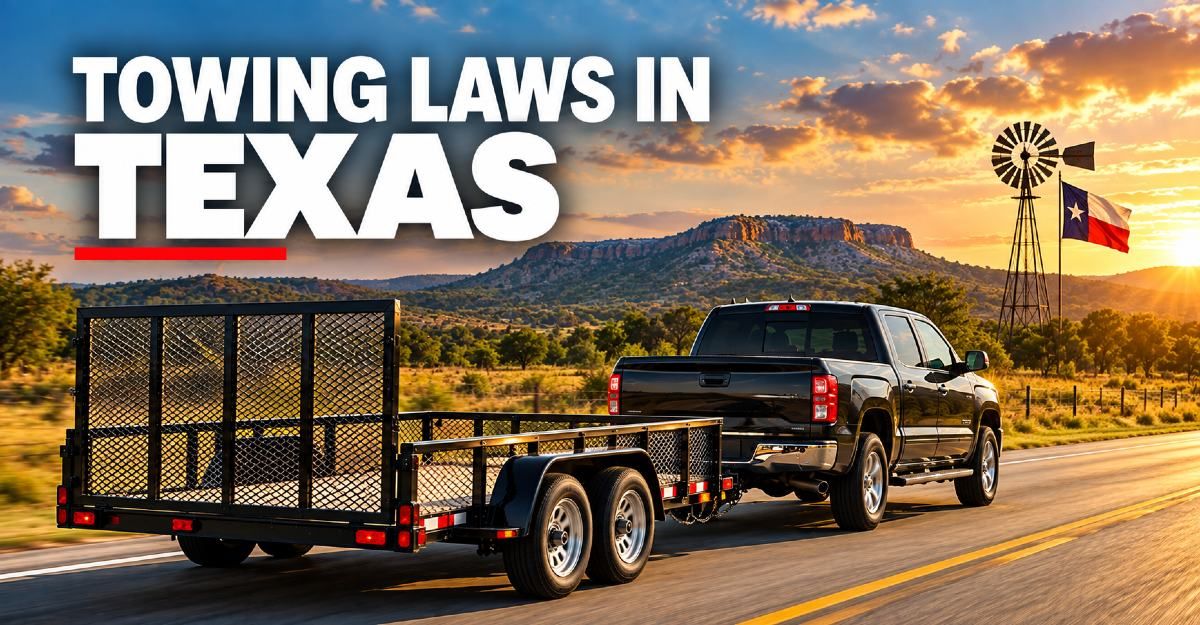
In Texas, you can tow a trailer up to 25,999 lbs with a standard Class A driver's license; trailers weighing 26,000 lbs or more require a Class B noncommercial license. Trailers over 1,500 lbs must have functioning brakes, and those over 3,000 lbs require a breakaway braking system. All trailers must have working tail lights, brake lights, turn signals, reflectors, and safety chains. The maximum towing speed in Texas is 55 mph.
Towing a trailer in Texas is an essential activity for many residents and businesses. Whether you're hauling equipment, transporting a boat, or moving a recreational vehicle, it's important to understand the state's specific towing laws. These laws ensure your safety, the safety of others on the road, and that you're complying with all state regulations. This guide breaks down the important towing laws in Texas, from driver’s license requirements to safety standards for your trailer.
Driver’s License Requirements for Towing in Texas
When it comes to towing a trailer in Texas, the driver’s license requirements depend largely on the weight of the trailer. It’s essential to know the weight of your trailer to understand what license you need to legally tow it.
Standard Driver’s License for Lighter Trailers
If you're towing a trailer weighing 25,999 pounds or less, you can do so with a standard Class A driver’s license. This is typically sufficient for most everyday towing activities, such as moving a utility trailer, towing a small travel trailer, or hauling a boat.
However, it’s crucial to keep in mind that the weight of the trailer includes the cargo it’s carrying, so always ensure your gross vehicle weight rating (GVWR) stays under this limit.
Special License for Heavier Trailers
For trailers weighing 26,000 pounds or more, Texas law mandates that you need a Class B noncommercial driver’s license. Towing such a heavy load requires additional training and skills to handle the increased challenges and risks. This special license requires:
- A written test that covers key towing topics like weight distribution, braking distances, and vehicle maneuvering.
- A driving test that includes demonstrating how to properly connect and disconnect a trailer, safely navigate tight turns, and stop in an emergency.
Obtaining this license ensures you can safely and legally tow heavier loads.
Key Considerations for Towing a Trailer in Texas
Aside from licensing requirements, there are several important factors to keep in mind when towing a trailer. These considerations will help ensure that your towing experience is safe and compliant with Texas laws.
Weight Distribution for Safe Towing
Proper weight distribution is crucial when towing a trailer in Texas. Unevenly distributed weight can cause instability, leading to swerving or even a jackknife situation. The load should be evenly spread across the trailer, with about 60% of the weight in front of the trailer’s axle and 40% behind. This ensures better stability during towing, especially for heavy loads.
Braking Systems for Heavy Trailers
Texas requires that trailers over a certain weight have their own braking system. If you’re towing a trailer over 1,500 pounds, check to ensure that it has functioning brakes. Trailers weighing more than 3,000 pounds must have a breakaway system, which automatically applies the brakes if the trailer detaches from the towing vehicle.
Always ensure that the brakes on both your tow vehicle and your trailer are properly maintained for optimal performance.
Trailer Lighting and Reflectors
To comply with Texas towing laws, your trailer must have working lights and reflectors. These are crucial for visibility, especially at night or during inclement weather conditions. Your trailer should have:
- Tail lights that are visible from at least 500 feet.
- Brake lights to alert other drivers when slowing down or stopping.
- Signal lights to indicate turning or lane changes.
- Reflectors on the rear and sides of the trailer to increase its visibility at night.
Make sure to inspect your trailer's lights and reflectors regularly to ensure they’re operational.
Safety Chains for Added Security
In Texas, safety chains are a legal requirement. These chains are designed to keep the trailer connected to the tow vehicle in the event that the hitch fails. Make sure the chains are properly secured and have enough slack to allow the vehicle to turn but not drag on the ground.
Additional Towing Considerations in Texas
Beyond licensing and trailer-specific requirements, there are other regulations and best practices to keep in mind for towing safety.
Towing Speed Limits
In Texas, vehicles towing trailers are subject to a maximum speed limit of 55 mph, regardless of the posted speed limits for other vehicles. This is especially important to keep in mind on highways and while towing larger trailers. Towing at a higher speed can put undue strain on the trailer and vehicle and can increase the likelihood of accidents.
Trailer Registration and Inspection
Just like any other vehicle on the road, your trailer must be registered with the Texas Department of Motor Vehicles (DMV). Additionally, trailers may be subject to inspection to ensure they meet all state regulations. Be sure to check your trailer’s registration and make sure it is up to date to avoid fines or issues when towing.
Conclusion: Towing Laws in Texas
Towing a trailer in Texas requires adherence to state laws to ensure that you and others on the road stay safe. Whether you’re hauling light equipment or a heavy-duty load, it’s important to know what license you need and ensure your trailer is properly equipped with working lights, brakes, and safety measures. By following Texas’ towing laws, you’ll ensure a smooth, legal towing experience.
Be sure to check your trailer’s weight, brakes, and registration before towing, and always adhere to safety protocols. Following these steps will keep you in compliance with Texas towing laws and ensure you’re towing safely and legally.
Now that you know Texas's trailer towing laws, the next step is finding the right trailer near you. BigLoads connects you directly with local trailer owners across Texas, with no per-rental commission and free messaging so you can ask about weight ratings and included straps before you book. Browse trailer rentals in Texas, see what’s available on the Texas trailer rentals page, or if you own a trailer that sits idle, list it on BigLoads and start earning.
Towing across state lines? Check the rules for every state in our trailer towing laws by state guide.
Related on BigLoads: towing capacity calculator.
Frequently Asked Questions
What driver's license do I need to tow a trailer in Texas?
Do trailers need brakes in Texas?
What is the maximum speed when towing a trailer in Texas?
Are safety chains required when towing in Texas?
What lights are required on a trailer in Texas?
Ready to haul?
Find the right trailer near you — or list yours and start earning.