
Your Guide to Laws for Towing a Trailer in Massachusetts
Understanding Massachusetts Trailer Towing Laws When towing a trailer in Massachusetts, it's essential to follow the state's laws to ensure safety on the road. These laws help protect the vehicle, trailer, and other...
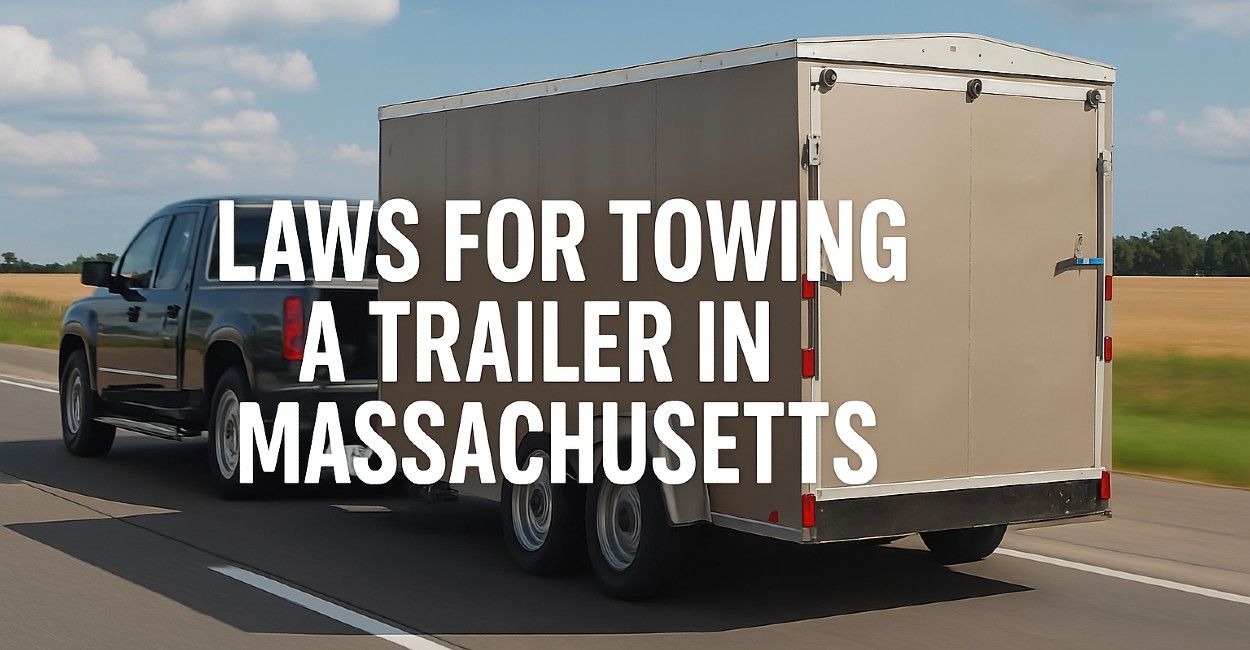
In Massachusetts, trailers over 3,000 lbs must have brakes, working lights, and safety chains, and must be registered with the Registry of Motor Vehicles (RMV). Trailers over 3,000 lbs also require an annual safety inspection. The maximum highway towing speed for trailers under 10,000 lbs is generally 65 mph. For passenger vehicles, the trailer weight must not exceed 50% of the tow vehicle's weight, though commercial vehicles have separate GVWR-based limits.
Understanding Massachusetts Trailer Towing Laws
When towing a trailer in Massachusetts, it's essential to follow the state's laws to ensure safety on the road. These laws help protect the vehicle, trailer, and other road users by setting requirements for trailer weight, towing equipment, and other regulations. Whether you're towing a utility trailer for hauling goods, a car hauler for a move, or any other type of trailer, it’s important to familiarize yourself with the towing laws in Massachusetts to avoid legal issues and ensure a smooth journey.
Trailer Towing Requirements in Massachusetts
Before you hit the road in cities like Boston, Worcester, or Springfield, make sure your trailer complies with Massachusetts' towing laws. Here’s what you need to know:
- Trailer Weight Limits - The maximum weight for a trailer in Massachusetts is determined by the towing vehicle's Gross Vehicle Weight Rating (GVWR). For passenger vehicles, the weight of the trailer must not exceed 50% of the vehicle's weight. Commercial vehicles may have different limits based on their GVWR and the classification of the trailer being towed.
- Towing Equipment - Hitch and Tow Bar: All trailers must have an appropriate hitch or tow bar installed. The hitch should be strong enough to safely handle the load.
- Safety Chains: Massachusetts requires safety chains to be securely attached to the trailer and towing vehicle to ensure the trailer stays connected if the primary coupling fails.
- Lights and Indicators: Trailers over 3,000 pounds must be equipped with working lights, including brake lights, turn signals, and running lights. This ensures visibility and signals to other drivers, especially at night.
Speed Limits and Towing Restrictions
When towing a trailer, there are specific speed limits you need to keep in mind, especially in densely populated areas like Boston and Cambridge. For trailers under 10,000 pounds, the maximum speed limit on highways is typically 65 mph. However, you should check local signs for specific restrictions, as some areas may have reduced speed limits for towing.
In addition to speed limits, be aware of other towing restrictions in Massachusetts, including bridge weight limits and certain road types that prohibit trailers or have special towing regulations.
Trailer Brakes and Towing Safety
One important rule in Massachusetts is that if your trailer weighs over 3,000 pounds, it must be equipped with its own braking system. This ensures that the trailer can be stopped safely, even if the towing vehicle's brakes are not sufficient to handle the additional load. Always ensure that your trailer’s braking system is functional and in good condition.
Massachusetts Trailer Registration and Inspection
Any trailer towed on public roads in Massachusetts must be registered with the Registry of Motor Vehicles (RMV). Trailers that weigh more than 3,000 pounds also need to pass an annual inspection to ensure they are roadworthy and comply with safety standards. Be sure to carry proof of registration and inspection when towing a trailer.
Specific Considerations for Towing in Massachusetts’ Major Cities
While the general rules apply across the state, towing in cities like Boston, Worcester, and Springfield can require additional attention due to higher traffic, tighter roads, and increased pedestrian activity.
- Boston: In Boston, parking regulations and narrow streets can make towing difficult. Pay close attention to designated parking areas for trailers and watch for posted signs regarding street cleaning and towing zones.
- Worcester: In Worcester, make sure to follow local regulations that limit trailer parking in some areas. Always verify parking allowances and zoning restrictions.
- Springfield: Like other major cities in Massachusetts, Springfield enforces strict rules on parking and towing in residential areas, so it’s important to check with the city’s towing regulations.
When Do You Need a Towing License?
In Massachusetts, most people can tow trailers with a standard driver’s license. However, if the combined weight of your vehicle and trailer exceeds a certain weight limit, you may need a commercial driver's license (CDL). Make sure to check the weight limits and licensing requirements before towing large trailers.
Conclusion
Towing a trailer in Massachusetts is manageable when you understand the rules and regulations that govern trailer towing in the state. From weight limits to registration requirements and safety equipment, it’s crucial to stay informed to ensure safe and legal towing.
By following Massachusetts trailer towing laws, including those for cities like Boston, Worcester, and Springfield, you can enjoy a safe, hassle-free experience when towing your trailer across the state. Always inspect your trailer before hitting the road, make sure your vehicle and trailer are compatible, and comply with all safety standards.
Now that you know Massachusetts's trailer towing laws, the next step is finding the right trailer near you. BigLoads connects you directly with local trailer owners across Massachusetts, with no per-rental commission and free messaging so you can ask about weight ratings and included straps before you book. Browse trailer rentals in Massachusetts, see what’s available on the Massachusetts trailer rentals page, or if you own a trailer that sits idle, list it on BigLoads and start earning.
Towing across state lines? Check the rules for every state in our trailer towing laws by state guide.
Related on BigLoads: towing capacity calculator.
Frequently Asked Questions
When do I need brakes on my trailer in Massachusetts?
How much weight can I tow with a passenger vehicle in Massachusetts?
Does my trailer need to be inspected in Massachusetts?
What is the highway speed limit for towing in Massachusetts?
Do I need a CDL to tow a trailer in Massachusetts?
Ready to haul?
Find the right trailer near you — or list yours and start earning.