
The Importance of Using a Trailer Hitch Pin for Safe Towing
When towing a trailer, safety is paramount, and one often-overlooked yet essential piece of equipment is the trailer hitch pin . Whether you're hauling a boat, transporting equipment, or moving an RV, securing your...
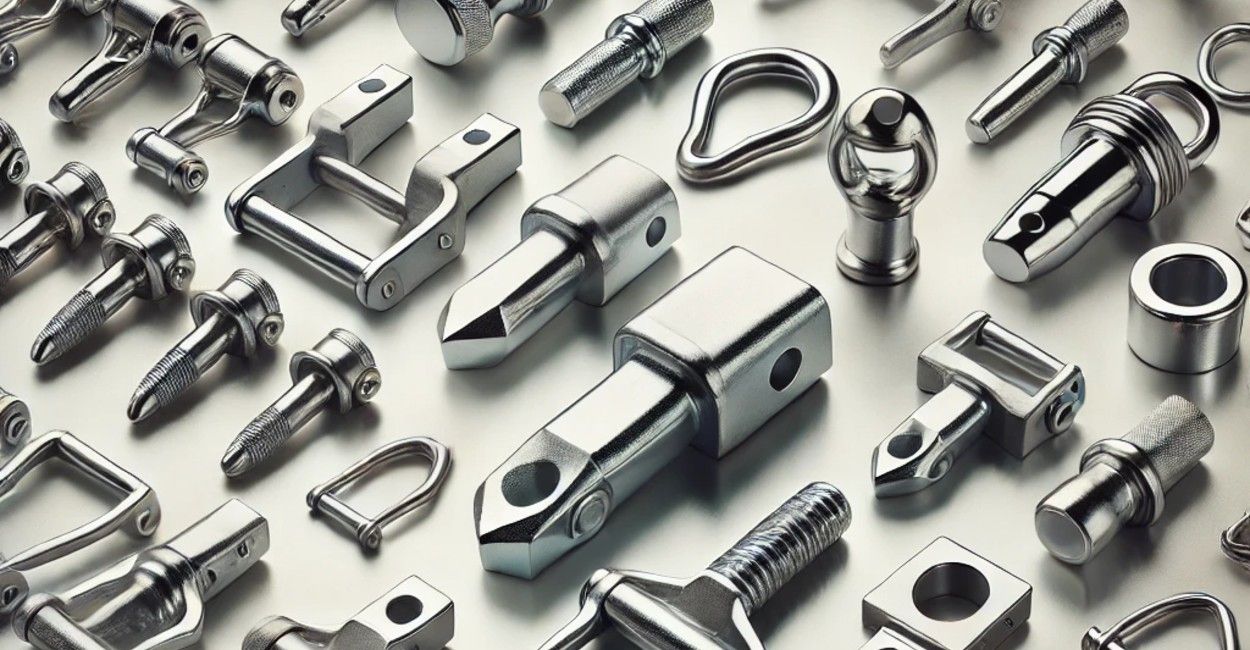
A trailer hitch pin is a metal component that locks the hitch receiver and ball mount together, preventing your trailer from detaching during acceleration, braking, or turns. Three main types exist—standard, locking, and twist/latch pins—with locking pins adding theft deterrence when parked unattended. Always use the correct diameter and length for your hitch receiver, inspect for wear before each trip, and pair with safety chains as a backup. Using a hitch pin is a legal requirement in many regions.
When towing a trailer, safety is paramount, and one often-overlooked yet essential piece of equipment is the trailer hitch pin. Whether you're hauling a boat, transporting equipment, or moving an RV, securing your trailer with the correct hitch pin ensures a smooth and safe towing experience. This small yet vital tool can make a significant difference between a safe journey and a dangerous situation on the road.
What Is a Trailer Hitch Pin?
A trailer hitch pin, also referred to as a tow hitch pin or pin trailer lock, is a sturdy metal component designed to secure the connection between your towing vehicle and the trailer. It locks the hitch components together, ensuring that the trailer remains securely attached during transit. The pin is used with the receiver hitch, ball mount, or other towing hardware, making it essential for any towing setup.
Why Are Trailer Hitch Pins Crucial for Towing?
- Prevents Trailer Detachment: The primary function of a trailer hitch pin is to prevent your trailer from detaching while on the road. Without a properly secured hitch pin clip, the trailer can become unhitched due to the forces exerted while accelerating, braking, or turning. This could result in damage to your vehicle, trailer, or even cause accidents involving other vehicles, putting your safety and others at risk.
- Maintains Proper Trailer Alignment: A hitch pin ensures that the trailer remains properly aligned with the tow vehicle. Misalignment can lead to issues such as swaying, uneven tire wear, and difficulty steering—especially at high speeds or on winding roads. Using the correct trailer hitch pin helps ensure your trailer is safely towed.
- Adds a Layer of Security with Locking Pins: Many trailer hitch pins come with locking mechanisms, such as a lock pin for trailer or a hitch pin clip with a built-in lock. These locking pins provide an added layer of security, preventing theft of the trailer when left unattended. If you're stopping overnight or parking in an unsecured location, a locked pin trailer lock ensures that only you can detach your trailer.
- Compliance with Towing Laws: In many regions, using a trailer hitch pin is a legal requirement. Failure to properly secure the hitch could lead to fines, insurance problems, or liability issues in the event of an accident. By ensuring that your tow hitch pin is properly inserted and secured, you can stay compliant with towing laws and avoid unnecessary complications.
Types of Trailer Hitch Pins and Their Uses
There are several trailer hitch pin options available, each suited for different towing needs:
- Standard Hitch Pins: These are the most basic and widely used hitch pins, ideal for everyday towing tasks. They are simple to use and provide secure, reliable attachment for lighter towing setups.
- Locking Hitch Pins: Locking hitch pins are equipped with a locking mechanism that provides added security by preventing unauthorized detachment of the trailer. These pins are perfect for when you're leaving your trailer unattended, as they reduce the risk of theft.
- Twist or Latch Pins: For more demanding towing tasks, twist or latch hitch pins are ideal. They offer extra security and are designed for heavy-duty applications, such as towing larger trailers or hauling commercial equipment.
How to Properly Use a Trailer Hitch Pin
To ensure your trailer hitch pin does its job effectively, follow these essential tips:
- Choose the Correct Size: Trailer hitch pins come in various diameters and lengths. Make sure the hitch pin fits your trailer's hitch receiver and ball mount correctly to ensure a secure connection.
- Inspect the Pin: Always check your trailer hitch pin before use to ensure there are no signs of wear, rust, or damage. A damaged pin could fail to secure the trailer properly.
- Double-Check the Connection: After inserting the hitch pin, secure it with a clip or locking pin. Tug gently on the trailer to confirm that it’s properly attached and cannot be easily detached.
- Use Safety Chains: While hitch pins are essential, they should always be used in conjunction with safety chains for added protection. These chains provide additional security in the unlikely event that the pin fails.
Risks of Skipping the Trailer Hitch Pin
Towing a trailer without a hitch pin is a major safety risk. Without this small but critical component, even minor bumps or road jolts could cause your trailer to detach, leading to potential damage to your vehicle, trailer, or surrounding traffic. Beyond safety risks, towing without a pin could lead to legal issues and financial consequences.
Keep Spare Trailer Hitch Pins Handy
Given how easy it is to misplace trailer hitch pins, it’s wise to keep a few spares in your towing kit. This ensures that if a pin is lost or damaged, you’ll be able to replace it immediately, avoiding any delays or safety concerns during your towing operation.
Conclusion: Ensuring Safe Towing with the Right Hitch Pin
Using the right trailer hitch pin is essential for safe and secure towing. Whether you’re hauling equipment, a boat, or a camper, this small yet mighty tool is the backbone of a safe towing setup. Always ensure your hitch pin is correctly inserted, inspect your pin trailer lock for damage, and remember to double-check your connection before hitting the road. By doing so, you’ll prevent accidents, avoid legal issues, and have peace of mind during your towing journey.
Frequently Asked Questions
What is the difference between a standard and locking trailer hitch pin?
What happens if you tow without a hitch pin?
How do I choose the right size trailer hitch pin?
Should I use a hitch pin and safety chains together?
How often should I inspect my trailer hitch pin?
Ready to haul?
Find the right trailer near you — or list yours and start earning.