
How to Choose the Right Trailer for Your Needs
Choosing the right trailer for rent can be a daunting task, especially if you’re new to trailer rentals. Whether you’re hauling equipment, moving large furniture, or towing vehicles, it’s important to select the right...
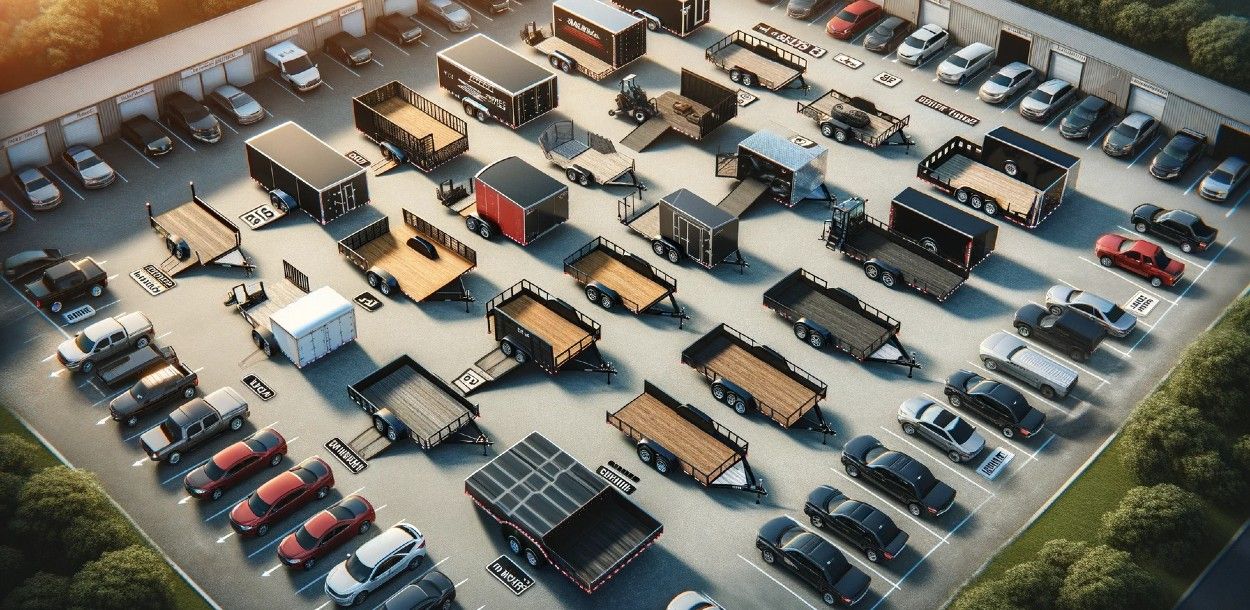
Choose your trailer based on what you're hauling and how much it weighs: utility trailers handle general cargo up to about 2,000 lbs, flatbeds work for vehicles and machinery, dump trailers are built for debris and construction materials, and enclosed trailers protect valuables on long hauls. Size up your load using the trailer's GVWR—small trailers cover up to 2,000 lbs, medium trailers handle 2,000–5,000 lbs, and large trailers carry over 5,000 lbs. Also factor in rental duration, required accessories like tie-down straps or load ramps, and whether you need hourly, daily, or weekly rates.
Choosing the right trailer for rent can be a daunting task, especially if you’re new to trailer rentals. Whether you’re hauling equipment, moving large furniture, or towing vehicles, it’s important to select the right trailer to ensure safety, efficiency, and convenience. In this guide, we’ll walk you through everything you need to know about choosing the perfect trailer for rent for your needs.
Understanding the Different Types of Trailers:
Before renting a trailer, it’s essential to understand the different types available and what they’re best used for. Here are the most common trailer types and their key uses:
- Utility Trailers - Ideal for: Hauling general cargo like tools, furniture, and landscaping equipment. Utility trailers are open trailers with a flatbed and low sides, offering great flexibility.
- Flatbed Trailers - Ideal for: Transporting vehicles, machinery, and large items. Flatbed trailers have a flat, open design, making them ideal for larger loads.
- Dump Trailers - Ideal for: Hauling and unloading heavy debris or construction materials like dirt, gravel, and sand. Dump trailers are equipped with hydraulic systems for easy unloading.
- Enclosed Trailers - Ideal for: Protecting valuable or sensitive items during transport. Enclosed trailers provide full coverage, making them perfect for long-distance moves or transporting goods that need protection from the elements.
What Size Trailer Do You Need?
The size of the trailer is crucial to ensure that you can safely load and transport your items. Trailer sizes are typically categorized by weight and length, and it’s important to choose a size that fits your needs without exceeding weight limits.
- Small Trailers (Up to 2,000 lbs): Perfect for light loads like furniture or small equipment.
- Medium Trailers (2,000-5,000 lbs): Suitable for medium-sized loads, such as motorcycles or larger furniture.
- Large Trailers (Over 5,000 lbs): These are best for heavy machinery, vehicles, or bulk materials.
When choosing a trailer, always consider the gross vehicle weight rating (GVWR), which indicates the maximum weight the trailer can safely carry.
Key Considerations When Renting a Trailer:
- Rental Duration: Consider how long you will need the trailer. Many rental services offer hourly, daily, or weekly rates. It’s always a good idea to plan ahead to avoid last-minute charges.
- Load Capacity and Weight Limits: Ensure the trailer you rent can handle the weight of your cargo. Overloading a trailer can cause safety hazards and damage to the vehicle and the trailer.
- Trailer Accessories: Depending on what you’re hauling, you may need accessories like tie-down straps, wheel chocks, or load ramps. These accessories are often available for rent and can make your experience safer and more convenient.
How to Find the Best Trailer Rental Near You:
When searching for trailer rentals near me, be sure to look for local services that offer flexible options and good customer service. BigLoads.com provides an easy-to-use platform where you can find trailers in your area, whether you're looking for a dump trailer for your construction project or a flatbed trailer for moving vehicles.
Conclusion:
Choosing the right trailer for your needs is all about understanding the different types, sizes, and rental conditions. By considering the load you need to carry and the duration of the rental, you’ll be well on your way to selecting the perfect trailer for your project. If you're ready to rent a trailer, be sure to check out BigLoads.com for a variety of trailer options near you.
Related on BigLoads: browse trailer rentals near you · trailer payload calculator · towing capacity calculator.
Frequently Asked Questions
What is a GVWR and why does it matter when renting a trailer?
What's the difference between a utility trailer and a flatbed trailer?
When should I rent a dump trailer instead of a utility trailer?
How do I decide between an enclosed trailer and an open trailer?
Can I rent a trailer for just a few hours, or is there a minimum rental period?
Ready to haul?
Find the right trailer near you — or list yours and start earning.