
How to Safely Rent and Tow a Trailer: Expert Tips and Tricks
Essential Trailer Towing Tips Before You Tow Towing a trailer can be an easy task if you know how to do it safely. Before you start driving, make sure you’ve completed these essential steps: Check Your Vehicle’s Towing...
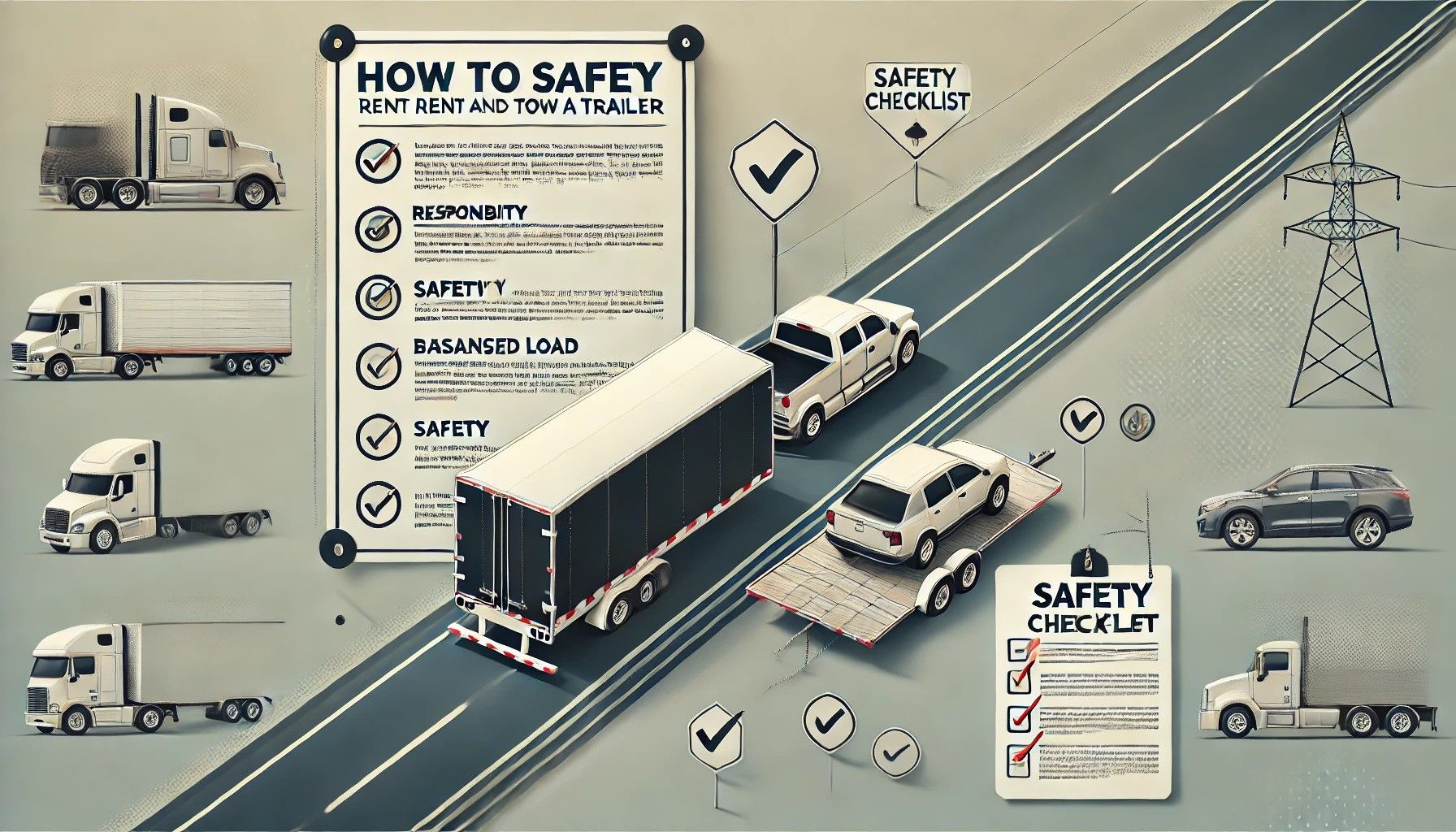
To tow a trailer safely, first verify your vehicle's towing capacity (never exceed it), ensure the trailer is properly hitched with compatible hardware, and distribute cargo so about 60% of the weight sits toward the front of the trailer near the axle. On the road, drive at reduced speeds, make wide turns, monitor for sway in your mirrors, and use trailer brakes if equipped. Common mistakes—overloading, incorrect tire pressure, and unsecured loads—are the leading causes of trailer accidents and should be checked before every trip.
Essential Trailer Towing Tips
Before You Tow
Towing a trailer can be an easy task if you know how to do it safely. Before you start driving, make sure you’ve completed these essential steps:
- Check Your Vehicle’s Towing Capacity: Every vehicle has a towing capacity, which is the maximum weight it can safely pull. Exceeding this weight can damage your vehicle or cause accidents. Always check your vehicle’s manual or consult with the manufacturer to determine the towing capacity.
- Proper Hitching: Ensure that your trailer is securely hitched to your vehicle. The hitch should be compatible with both your vehicle and the trailer you’re renting. Double-check the hitch connection, safety chains, and wiring for brake lights and turn signals. A loose hitch can cause the trailer to detach while driving.
- Load Distribution: Distribute the load evenly in the trailer to avoid overloading one side. Keep the heaviest items near the axle and load the trailer from front to back, with about 60% of the load towards the front.
When Towing
Once you’re on the road, make sure to follow these tips for smooth and safe towing:
- Drive Carefully: Towing a trailer changes the way your vehicle handles. Always drive at a slower speed and avoid sharp turns or sudden lane changes. This helps prevent the trailer from swaying or jackknifing, which can lead to dangerous situations.
- Monitor the Trailer: Keep an eye on the trailer through your mirrors, especially when making turns or backing up. If you notice any swaying, reduce your speed and avoid sudden steering corrections.
- Use Trailer Brakes: Many trailers come with their own braking system. If your trailer has brakes, make sure they are working correctly and adjust the brake controller in your vehicle accordingly.
Common Trailer Towing Mistakes
First-time renters often make mistakes when towing a trailer. Some of the most common mistakes include:
- Overloading the Trailer: Make sure the weight of the cargo does not exceed the trailer’s weight capacity. This can lead to poor handling and potential damage to both the vehicle and trailer.
- Incorrect Tire Pressure: Both your towing vehicle and the trailer should have the correct tire pressure. Low tire pressure can reduce fuel efficiency and handling, while overinflated tires can cause blowouts.
- Not Securing the Load Properly: A load that’s not secured properly can shift during transport, increasing the risk of an accident. Always double-check that all items are secured with appropriate straps or tie-downs.
How to Avoid Trailer Sway
Trailer sway is a common issue that occurs when the trailer begins to swing side to side while towing. It can be caused by high winds, improper loading, or driving too fast. Here are some ways to avoid trailer sway:
- Maintain a Safe Speed: Driving too fast increases the likelihood of trailer sway. Always drive within the speed limits and lower your speed when towing in windy conditions.
- Check Load Balance: Ensure the weight in your trailer is evenly distributed. Too much weight at the back can make the trailer unstable and more likely to sway.
- Use Sway Control Devices: Many trailers are equipped with sway control devices that help prevent side-to-side movement. If your trailer doesn’t have this feature, consider renting one or asking the rental service for recommendations.
When to Seek Professional Help
If you’re unfamiliar with towing or feel unsure about your ability to handle the trailer, it’s always best to seek professional assistance. Many trailer rental companies offer towing lessons or tips for beginners. It’s better to be cautious and learn the right techniques than risk damaging the trailer or causing an accident.
Need a trailer for your next trip? Rent one safely with our expert tips.
Related on BigLoads: towing capacity calculator · tie-downs & ratchet straps in The Workshop · trailer towing laws by state.
Frequently Asked Questions
How do I find out my vehicle's towing capacity?
How should I distribute weight in a trailer?
What causes trailer sway and how do I stop it?
Do all trailers have their own braking system?
What's the correct tire pressure to use when towing a trailer?
Ready to haul?
Find the right trailer near you — or list yours and start earning.