
A Beginners Guide to Laws for Towing a Trailer in Florida
Towing a trailer in Florida requires a solid understanding of the state’s regulations to ensure that you’re compliant with local laws, stay safe, and avoid potential fines. Whether you're towing a utility trailer in...
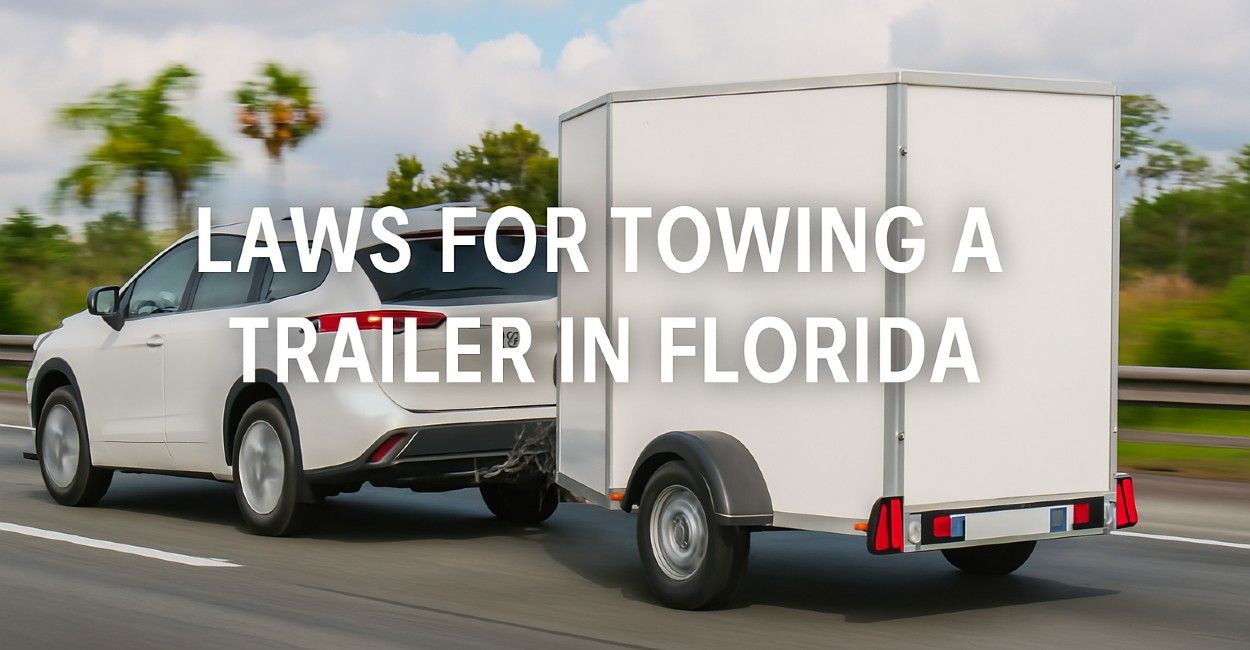
In Florida, trailers over 3,000 lbs must have functioning brakes, and all trailers must be equipped with brake lights, turn signals, tail lights, and safety chains. Single-axle trailers are typically limited to 3,000 lbs, dual-axle trailers to around 6,000 lbs for light-duty use, and commercial trailers can exceed 10,000 lbs with appropriate equipment. Florida recommends a towing speed of 55 mph unless posted signs indicate otherwise. Load distribution should place 60% of weight in front of the trailer's axles to maintain stability.
Towing a trailer in Florida requires a solid understanding of the state’s regulations to ensure that you’re compliant with local laws, stay safe, and avoid potential fines. Whether you're towing a utility trailer in Miami, a car hauler in Orlando, or a boat trailer in Tampa, it’s crucial to know Florida’s towing laws. This article will walk you through Florida’s trailer towing laws, including weight restrictions, required equipment, and safety measures for towing a trailer on Florida roads.
Florida Trailer Towing Laws Overview
When towing a trailer in Florida, certain laws and regulations must be followed to ensure the safety of everyone on the road. Florida trailer towing laws are established to minimize the risks associated with towing large loads, and whether you're towing for personal use or for business purposes, it’s important to understand the rules and regulations in the state. The Florida Department of Highway Safety and Motor Vehicles (FLHSMV) provides specific guidelines for towing trailers, from weight limits to safety equipment, to ensure compliance and safe transportation.
Trailer Weight Limits in Florida
One of the most important aspects of trailer towing in Florida is knowing your weight limits. Overloading your trailer can lead to dangerous driving conditions, including instability and tire blowouts. It is crucial to follow weight distribution guidelines and ensure that your vehicle and trailer are within the legal weight limits.
- Single-Axle Trailers: For smaller trailers, such as utility trailers, the weight limit is typically 3,000 lbs. These trailers are ideal for transporting smaller items such as tools, furniture, or small vehicles.
- Dual-Axle Trailers: For dual-axle trailers, the weight limit increases, with 6,000 lbs being common for light-duty trailers. Heavy-duty dual-axle trailers used for transporting larger equipment or boats can go much higher.
- Commercial Trailers: If you’re towing for business purposes, trailers can exceed the 10,000 lbs weight limit, but it’s important to have the appropriate vehicle and towing equipment for this type of load.
Required Equipment for Towing Trailers in Florida
Florida law requires that certain equipment be used when towing a trailer, to ensure safety on the road. This includes specific braking and lighting systems as well as safety chains.
- Brakes: If your trailer exceeds 3,000 lbs, it must be equipped with functioning brakes that can safely handle the trailer's weight and ensure smooth stops.
- Lighting: All trailers must be equipped with brake lights, turn signals, and tail lights. If your trailer obstructs the tow vehicle’s lights, additional lights must be mounted on the trailer to make sure other drivers can see you clearly.
- Safety Chains: Safety chains are required in Florida for all trailers. These chains prevent the trailer from completely detaching in case of a hitch failure.
Towing Speed Limits in Florida
While Florida doesn’t have a specific speed limit for towing trailers, there are certain guidelines you should follow. Generally, trailers should be towed at 55 mph, unless otherwise indicated on posted road signs. You should also pay attention to posted speed limits when driving on highways, as some highways may have reduced speed limits for vehicles towing trailers.
Florida Trailer Towing Regulations for Major Cities
Trailer Towing in Miami, Florida
Miami is a busy city with high traffic volumes, so it’s essential to stay compliant with local towing regulations. In addition to Florida’s state laws, Miami may have additional city-specific towing restrictions related to parking and trailer weight. Always ensure you have the necessary permits for parking or towing trailers in Miami, especially in areas with restricted parking spaces like downtown.
Trailer Towing in Orlando, Florida
Orlando, known for its tourist attractions, requires that all trailers towed within city limits are equipped with functioning lighting and braking systems. In Orlando, trailers should also be parked in designated areas to avoid fines. Be sure to check the city’s specific trailer parking regulations when visiting popular spots like Disney World.
Trailer Towing in Tampa, Florida
In Tampa, when towing a boat or utility trailer, you’ll need to ensure your vehicle is properly equipped to handle the load. Tampa’s roads, especially in high-traffic areas, can get congested, making it even more important to adhere to towing speed limits and trailer parking laws.
Safety Tips for Towing a Trailer in Florida
Towing a trailer in Florida comes with its risks, but following the right safety practices can reduce the likelihood of accidents. Here are a few key tips for safely towing a trailer in Florida:
- Check the Trailer’s Tires and Brakes: Before you head out, check that your trailer's tires are properly inflated and that the brakes are functioning. Regular maintenance of your trailer is key to safe towing.
- Proper Load Distribution: Make sure that the load on your trailer is evenly distributed, with 60% of the weight placed in front of the trailer's axles. This helps prevent instability while driving.
- Adjust Your Driving: Towing a trailer requires slower acceleration and braking, as well as increased following distance. Always be cautious when changing lanes or turning.
Conclusion: Everything You Need To Know About Laws for Towing a Trailer in Florida
In conclusion, towing a trailer in Florida requires adherence to specific laws and regulations, ensuring that both you and your cargo are safe. Whether you’re towing a small utility trailer in Miami, a boat trailer in Orlando, or a larger cargo hauler in Tampa, knowing the Florida trailer towing laws is crucial for a safe and legal towing experience.
Make sure your trailer is properly equipped with the necessary brakes, lights, and safety features, and always be mindful of weight limits, speed limits, and local towing regulations. With the right knowledge and preparation, you can enjoy a smooth and safe towing experience in Florida.
Now that you know Florida's trailer towing laws, the next step is finding the right trailer near you. BigLoads connects you directly with local trailer owners across Florida, with no per-rental commission and free messaging so you can ask about weight ratings and included straps before you book. Browse trailer rentals in Florida, see what’s available on the Florida trailer rentals page, or if you own a trailer that sits idle, list it on BigLoads and start earning.
Towing across state lines? Check the rules for every state in our trailer towing laws by state guide.
Related on BigLoads: towing capacity calculator.
Frequently Asked Questions
What is the speed limit for towing a trailer in Florida?
What are the trailer weight limits in Florida?
Are safety chains required in Florida?
How should I distribute weight on my trailer in Florida?
Are there special towing rules in Miami or Orlando?
Ready to haul?
Find the right trailer near you — or list yours and start earning.