
Your Step-by-Step Guide to Laws for Towing a Trailer in Minnesota
Minnesota, with its expansive lakes, farmland, and beautiful landscapes, is a state that offers ample opportunities for those who need to tow trailers, whether for personal or business use. However, before hitting the...
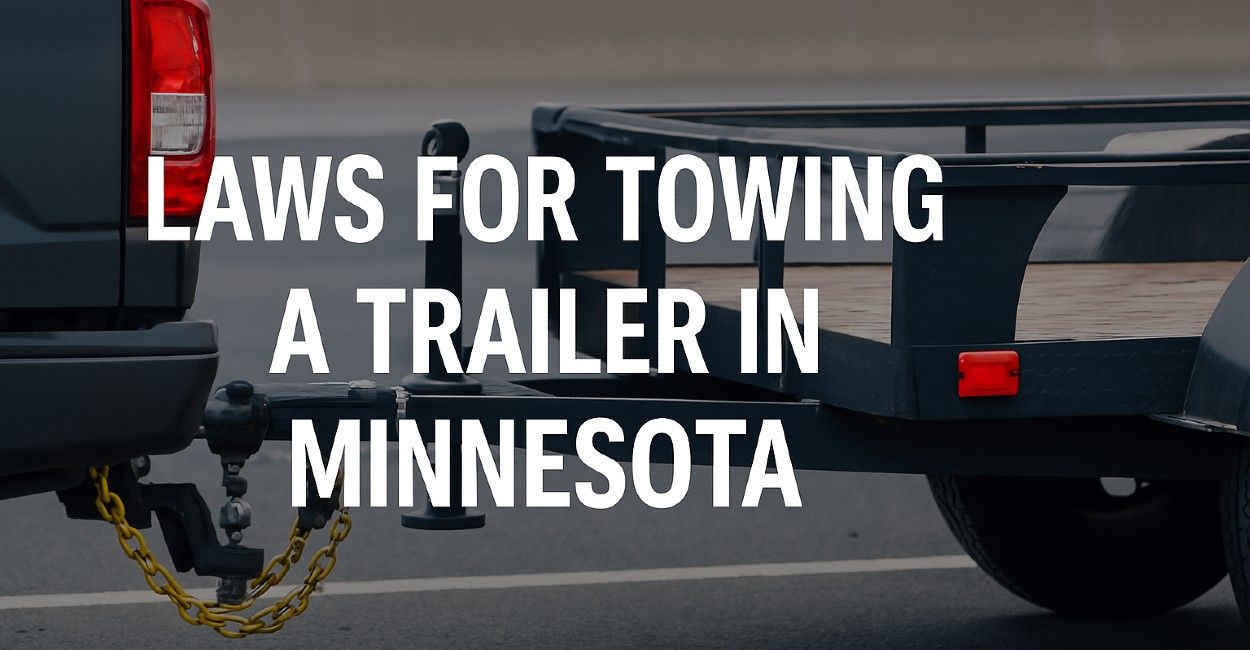
In Minnesota, trailers over 3,000 lbs must have brakes and proper lights, and trailers over 3,000 lbs must be registered with the Department of Public Safety (DPS). Drivers towing a combination exceeding 10,000 lbs need a Class A Commercial Driver's License. The maximum towing speed on highways is 65 mph, though lower speeds are recommended for heavy or large loads. Violations can result in fines ranging from $50 to $500, and trailers can be impounded for serious offenses.
Minnesota, with its expansive lakes, farmland, and beautiful landscapes, is a state that offers ample opportunities for those who need to tow trailers, whether for personal or business use. However, before hitting the road, it’s important to understand the trailer towing laws in Minnesota to ensure that your journey is safe, legal, and stress-free. Whether you’re towing a boat, utility trailer, or car hauler, this article will provide an overview of the key towing regulations you need to know.
Towing Capacity and Trailer Types in Minnesota
Before towing a trailer in Minnesota, it’s important to know the type of trailer you’ll be hauling and its weight. Minnesota law places specific requirements based on the gross weight of the trailer, including whether or not you need a special permit or whether your vehicle is equipped to handle the weight.
Gross Vehicle Weight Rating (GVWR)
One of the most important factors in Minnesota trailer towing laws is the Gross Vehicle Weight Rating (GVWR). This refers to the combined weight of the trailer, its contents, and the tow vehicle. For vehicles towing trailers weighing more than 10,000 lbs, a special Class A Commercial Driver’s License (CDL) is required.
Additionally, trailers that exceed certain weight limits (e.g., 3,000 lbs or more) must be equipped with brakes and lights that meet the state's safety standards.
Required Equipment for Towing a Trailer in Minnesota
Minnesota requires that certain safety equipment be installed and functioning on both the towing vehicle and the trailer to prevent accidents and ensure smooth travel.
Safety Chains and Hitching
In Minnesota, all trailers must be securely attached to the tow vehicle using a safety chain. This safety feature is crucial to prevent the trailer from detaching in case the hitch fails. Additionally, the hitch itself must be of sufficient size and weight rating to match the weight of the trailer.
Brakes and Lights
For trailers with a GVWR of over 3,000 lbs, brake systems are required by law. The brake system should be designed to ensure the trailer can stop safely and efficiently. Additionally, trailers must have proper lights—including tail lights, brake lights, and turn signals—to indicate your presence and ensure visibility, especially at night.
Towing Speed Limits and Safety Regulations in Minnesota
When towing a trailer in Minnesota, it’s important to follow the speed limits and safety regulations designed to ensure that both the vehicle and trailer are operating safely.
Speed Limits
Minnesota law allows trailers to travel at speeds up to 65 mph on highways, but it’s recommended to travel at a lower speed, especially when towing large or heavy loads. Towing a trailer at high speeds can be dangerous and cause instability.
Towing Regulations for City Roads and Highways
Towing trailers in Minnesota cities such as Minneapolis, Saint Paul, and Rochester has additional regulations. In urban areas, trailers are required to follow local ordinances, which may include restrictions on certain roads, road weight limits, or the need for specific permits. It's important to check for any city-specific laws before beginning your towing journey.
Registration and Licensing for Towing a Trailer in Minnesota
One essential aspect of towing in Minnesota is ensuring that both the tow vehicle and the trailer are properly registered and licensed.
Trailer Registration
In Minnesota, trailers weighing over 3,000 lbs must be registered with the Department of Public Safety (DPS). The registration process includes providing details about the trailer, including its GVWR and make. If you’re towing for commercial purposes, you may need a specific commercial trailer license.
Trailer Towing Laws in Major Cities of Minnesota
While the state regulations apply across Minnesota, it’s important to understand that major cities may have specific towing requirements. Let’s take a look at some Minnesota cities and their unique regulations:
Minneapolis
As Minnesota's largest city, Minneapolis has specific ordinances for towing trailers. City roads may have restrictions on weight limits, especially during specific seasons, so it’s crucial to check with local authorities for any updates on permitted routes.
Saint Paul
Saint Paul, the state’s capital, also has specific restrictions for trailer towing in the city limits. These include possible weight restrictions, road closures, or permit requirements for large trailers. Always be sure to verify local rules before heading out.
Rochester
As a popular city in southern Minnesota, Rochester has its own set of laws for trailers, particularly when towing in downtown or residential areas. Be sure to follow any restricted zones or parking regulations.
Penalties for Violating Trailer Towing Laws in Minnesota
Breaking Minnesota’s trailer towing laws can result in fines, penalties, and even having your trailer impounded. Some common violations include:
- Unregistered trailer or improper license plate display
- Not using safety chains or improper hitching
- Exceeding speed limits while towing
Fines for these violations can range from $50 to $500, depending on the severity of the offense.
Conclusion
When towing a trailer in Minnesota, it’s essential to adhere to the trailer towing laws to ensure safety and compliance. Understanding the necessary equipment, proper licensing, registration, and following speed and safety regulations will make your towing experience much smoother. Whether you’re traveling through Minneapolis, Saint Paul, or Rochester, make sure to check local ordinances for any additional restrictions that might apply
Now that you know Minnesota's trailer towing laws, the next step is finding the right trailer near you. BigLoads connects you directly with local trailer owners across Minnesota, with no per-rental commission and free messaging so you can ask about weight ratings and included straps before you book. Browse trailer rentals in Minnesota, see what’s available on the Minnesota trailer rentals page, or if you own a trailer that sits idle, list it on BigLoads and start earning.
Towing across state lines? Check the rules for every state in our trailer towing laws by state guide.
Related on BigLoads: towing capacity calculator.
Frequently Asked Questions
What weight triggers brake requirements in Minnesota?
Do I need a CDL to tow a trailer in Minnesota?
What is the speed limit for towing a trailer in Minnesota?
When does a trailer need to be registered in Minnesota?
What are the fines for violating trailer towing laws in Minnesota?
Ready to haul?
Find the right trailer near you — or list yours and start earning.