
How to Properly Hitch Your Utility Trailer Rental: A Step-by-Step Guide
One of the most common myths surrounding towing a trailer is that only inexperienced drivers make mistakes. While it's true that new drivers may struggle with maneuvering, even experienced drivers are prone to mistakes,...
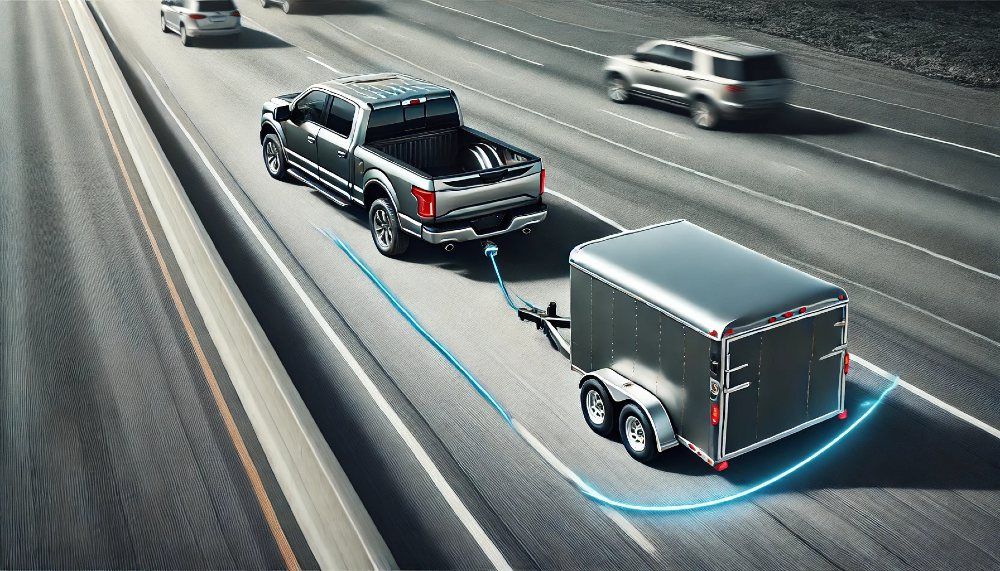
To properly hitch a utility trailer, back your tow vehicle up to the trailer with a spotter's help, align the coupler directly over the hitch ball, lower the coupler onto the ball until it seats firmly with no gaps, lock the coupler latch with a safety pin, cross the safety chains under the tongue, retract or remove the trailer jack, plug in the wiring harness, and test all lights and brakes before driving. The process takes 10 deliberate steps and should never be rushed—even experienced drivers make hitching errors when they hurry.
One of the most common myths surrounding towing a trailer is that only inexperienced drivers make mistakes. While it's true that new drivers may struggle with maneuvering, even experienced drivers are prone to mistakes, especially when rushing through the hitching process. When hitching a trailer, it’s crucial to understand the technique for a secure and safe connection. In this guide, we’ll walk you through the process of hitching your utility trailer rental properly, step-by-step.
Why Properly Hitching Your Trailer is Crucial
Imagine you’re on the road with a utility trailer, hauling supplies for a landscaping project. The last thing you want is for the trailer to detach from your truck while driving. A disconnected trailer can cause significant damage to your cargo, your vehicle, and other drivers on the road. A secure hitch connection ensures the safety of your load, prevents accidents, and avoids unnecessary stress while towing.
The Importance of Hitching Your Utility Trailer Properly
When you hitch a utility trailer, the goal is to create a strong, secure connection between the trailer and the tow vehicle. Failure to do so could lead to loss of control, damage to your cargo, or worse—traffic accidents. While safety chains provide some backup in case of failure, they won't keep the trailer from swinging uncontrollably. Proper hitching is essential for the safety of your cargo, vehicle, and everyone else on the road.
10 Steps to Hitch Your Utility Trailer Rental to Your Truck
Hitching a utility trailer might seem intimidating at first, but once you follow these 10 steps, you’ll realize it’s simpler than it looks. Ensure you follow every step to avoid any mistakes.
Step #1: Ask a Friend to Help
Having a second person to guide you through the process is invaluable. They can assist with hand signals and help you align the truck and trailer properly. Make sure your guide stands on the driver's side of the truck to provide clear visibility.
Step #2: Align the Pickup with the Utility Trailer
Slowly reverse the truck, aligning it with the trailer. Your guide can help you keep the truck in a straight line to make the hitching process easier.
Step #3: Adjust the Coupler’s Height
Once you're about a foot away from the trailer, stop and assess whether the coupler is at the right height. Use the trailer jack to raise the coupler until it’s just a few inches above the hitch ball.
Step #4: Line up the Coupler to the Hitch Ball
Slowly reverse the truck while your friend guides you until the coupler and hitch ball line up perfectly. If they don’t align on the first try, move forward and adjust before trying again.
Step #5: Lower the Coupler onto the Hitch Ball
Once lined up, lift the coupler latch and lower it onto the hitch ball. The coupler should sit firmly on the ball, with no gaps. If it doesn’t, raise it and re-align it.
Step #6: Close the Coupler Latch
Lower the latch to secure the coupler in place. Use the safety pin or lock (if available) to lock the coupler securely.
Step #7: Attach the Safety Chains
Even with the latch engaged, safety chains are crucial. Cross them underneath the trailer to prevent dragging and ensure they don’t touch the ground.
Step #8: Take the Trailer Jack Off
After securing the safety chains, lower the trailer jack and either remove it or retract it if it’s not removable. This prevents the jack from hitting the ground while towing.
Step #9: Connect the Plug
Plug the trailer’s wiring harness into the truck’s connector. Ensure there’s no slack in the wire by winding it around the tongue.
Step #10: Check the Lights and Brakes
Finally, test the trailer lights and brakes. Have your helper check the trailer's turn signals, brake lights, and reverse lights while you’re inside the truck. Test the trailer brakes by applying them slowly at low speed.
Need to Rent a Utility Trailer? We've Got You Covered
Now that you know the steps to hitch your utility trailer rental safely, you're ready to hit the road. If you still need a trailer, don't worry—BigLoads can help you find a trailer for rent near you. With a variety of utility trailers available nationwide, you can quickly browse listings, contact owners, and book a trailer directly. Say goodbye to middlemen and enjoy great rates on trailer rentals, ensuring your cargo is safely hauled.
Ready to rent a utility trailer? Visit BigLoads now and book your rental in minutes!
Related on BigLoads: hitches & ball mounts in The Workshop · utility trailer rentals.
Frequently Asked Questions
Do I need a spotter to hitch a utility trailer?
How do I know the coupler is properly seated on the hitch ball?
Why do I need safety chains if the coupler latch is locked?
What happens if I forget to retract the trailer jack before driving?
What lights and brakes should I check before towing a utility trailer?
Ready to haul?
Find the right trailer near you — or list yours and start earning.