
A Complete Guide to Towing Laws in Las Vegas and Nevada: What You Need to Know
Whether you’re hauling a trailer across the stunning desert landscapes of Nevada or navigating the busy streets of Las Vegas, understanding the state's towing laws is crucial for a safe and legal towing experience. From...
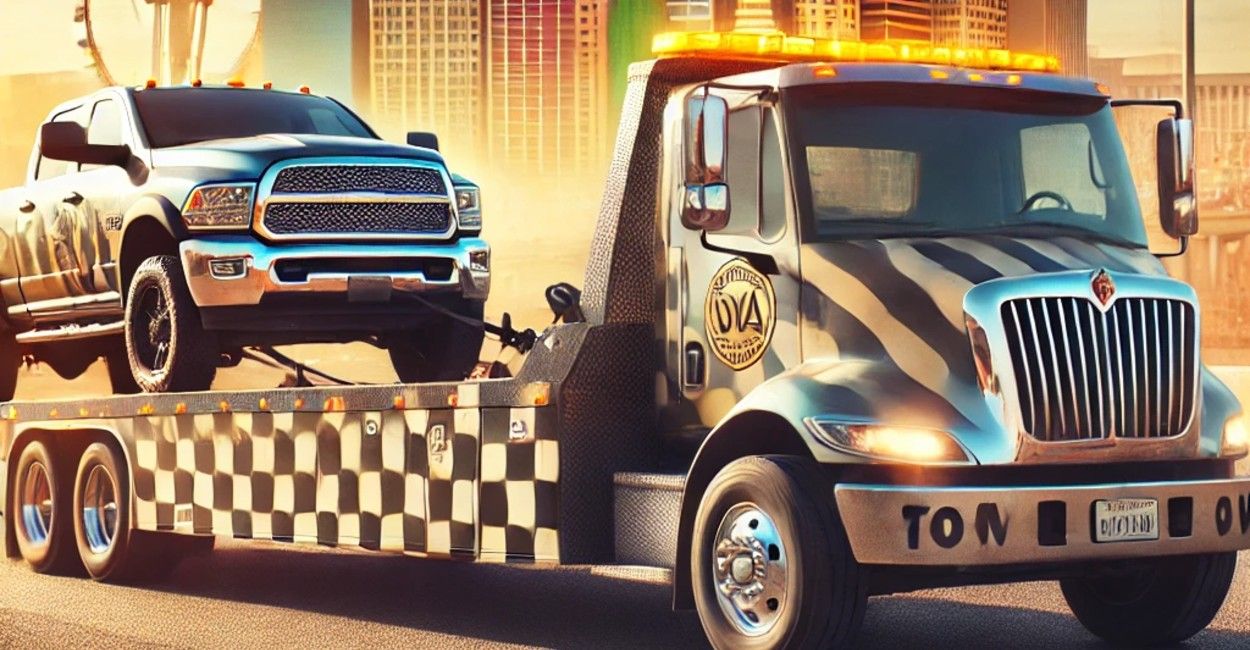
In Nevada, the combined length of a tow vehicle and trailer cannot exceed 70 feet, and a single trailer is limited to 40 feet. Trailers with a GVWR of 3,000 pounds or more must have independent brakes, all trailers require safety chains, and taillights must be visible from at least 500 feet. Trailers exceeding 10,000 pounds may require a CDL. Oversized loads beyond state length or weight limits require a special permit from the Nevada DMV.
Whether you’re hauling a trailer across the stunning desert landscapes of Nevada or navigating the busy streets of Las Vegas, understanding the state's towing laws is crucial for a safe and legal towing experience. From weight limits to specific requirements for trailer brakes and lighting, these laws help ensure both your safety and the safety of others on the road. In this guide, we’ll break down the key towing laws for Las Vegas and Nevada that every driver should know.
Key Towing Laws in Las Vegas and Nevada
Nevada’s towing regulations are designed to cover everything from trailer weight to trailer hitch pin requirements, helping drivers avoid potential issues. Below are the most important towing laws you need to keep in mind when towing a trailer in Las Vegas or anywhere in the state.
Maximum Trailer and Towing Vehicle Length
In Nevada, the total combined length of a towing vehicle and its trailer cannot exceed 70 feet. This includes any accessories or attachments, such as extensions or toolboxes. A single trailer cannot exceed 40 feet in length, ensuring that the trailer setup is not overly cumbersome or unsafe.
Nevada Towing Weight Limits
The Gross Vehicle Weight Rating (GVWR) for your trailer must align with federal standards, which means that if your trailer weighs over 10,000 pounds, it requires a properly equipped tow vehicle. Additionally, the towing vehicle may need to meet certain capacity requirements, and a commercial driver’s license (CDL) may be required.
It’s crucial to ensure your vehicle’s towing capacity is not exceeded, as towing an overloaded trailer can compromise your vehicle’s stability and braking power.
Essential Towing Equipment Requirements
Trailer Brakes
For safety, Nevada law requires that trailers with a GVWR of 3,000 pounds or more have their own independent braking system. This ensures that the trailer has adequate stopping power, especially for heavy or large loads. Always check that the trailer brakes are functioning correctly before starting your trip.
Safety Chains and Tow Connections
Safety chains are mandatory in Nevada for all trailers. These chains provide an additional layer of security in case the primary hitch fails. Nevada law mandates that safety chains be of adequate strength to hold the trailer in place should the hitch become disconnected. It's essential to properly secure the chains to both the towing vehicle and trailer for optimal safety.
Trailer Lighting and Reflectors
Proper lighting is essential when towing a trailer in Nevada. Trailers must be equipped with the following working lights:
- Taillights visible from at least 500 feet.
- Brake lights and turn signals are required for trailers that are wider than 80 inches.
- Reflectors on the rear and both sides of the trailer for increased visibility.
In addition, trailers that block the towing vehicle’s rear lights must have their own set of lights, including brake lights and signal lights.
Special Towing Considerations for Las Vegas and Nevada
Speed Limits for Towing in Nevada
When towing a trailer in Nevada, the speed limits for towing vehicles are generally the same as those for passenger vehicles. However, in areas with steep grades, mountainous regions, or high-traffic zones, there may be lower speed limits for vehicles towing trailers. Always observe posted signs, especially in areas where Nevada’s weather or terrain may affect road conditions.
Triple Towing Laws in Nevada
In Nevada, triple towing—where one tow vehicle pulls two trailers—is allowed under specific conditions. These conditions include:
- The first trailer must be a fifth-wheel to help maintain stability for the second trailer.
- The total length of the vehicle and trailers must not exceed 70 feet.
- Trailers must be equipped with anti-sway devices to reduce the risk of swaying while driving.
Special Permits for Oversized Loads in Nevada
If you plan to tow an oversized trailer or load, you may need a special permit from the Nevada Department of Motor Vehicles (DMV). These permits are typically required for:
- Trailers or loads exceeding state length and weight limits.
- Wide loads, oversized vehicles, or equipment that require extra clearance.
Special permits may have specific routing restrictions, timing requirements, and the need for escort vehicles.
Towing Laws for Las Vegas and Parking Considerations
When it comes to towing in Las Vegas, there are additional considerations for trailer parking. Many areas of the city have restrictions on trailer parking on public streets, and oversized trailers may require a special permit for parking. Additionally, in more densely populated areas, such as Downtown Las Vegas, parking a trailer overnight or in busy areas might be restricted. Always check local parking regulations to avoid penalties.
Conclusion: Stay Compliant with Towing Laws in Nevada and Las Vegas
When towing a trailer in Las Vegas or anywhere in Nevada, understanding the state’s towing laws is essential for your safety and to avoid any legal issues. From weight limits and brake requirements to safety chains and special permits, staying informed about Nevada’s towing regulations will ensure a smooth, legal towing experience. Whether you’re hauling a boat, camping trailer, or construction equipment, always make sure to comply with the rules and regulations to keep your journey safe and hassle-free.
Safe travels, and always double-check your equipment before hitting the road!
Frequently Asked Questions
What is the maximum trailer length allowed in Nevada?
When are trailer brakes required in Nevada?
Is triple towing legal in Nevada?
What speed limit applies when towing a trailer in Nevada?
Do I need a special permit to tow an oversized load in Nevada?
Ready to haul?
Find the right trailer near you — or list yours and start earning.